A Decade-Long Vision for Food Sovereignty
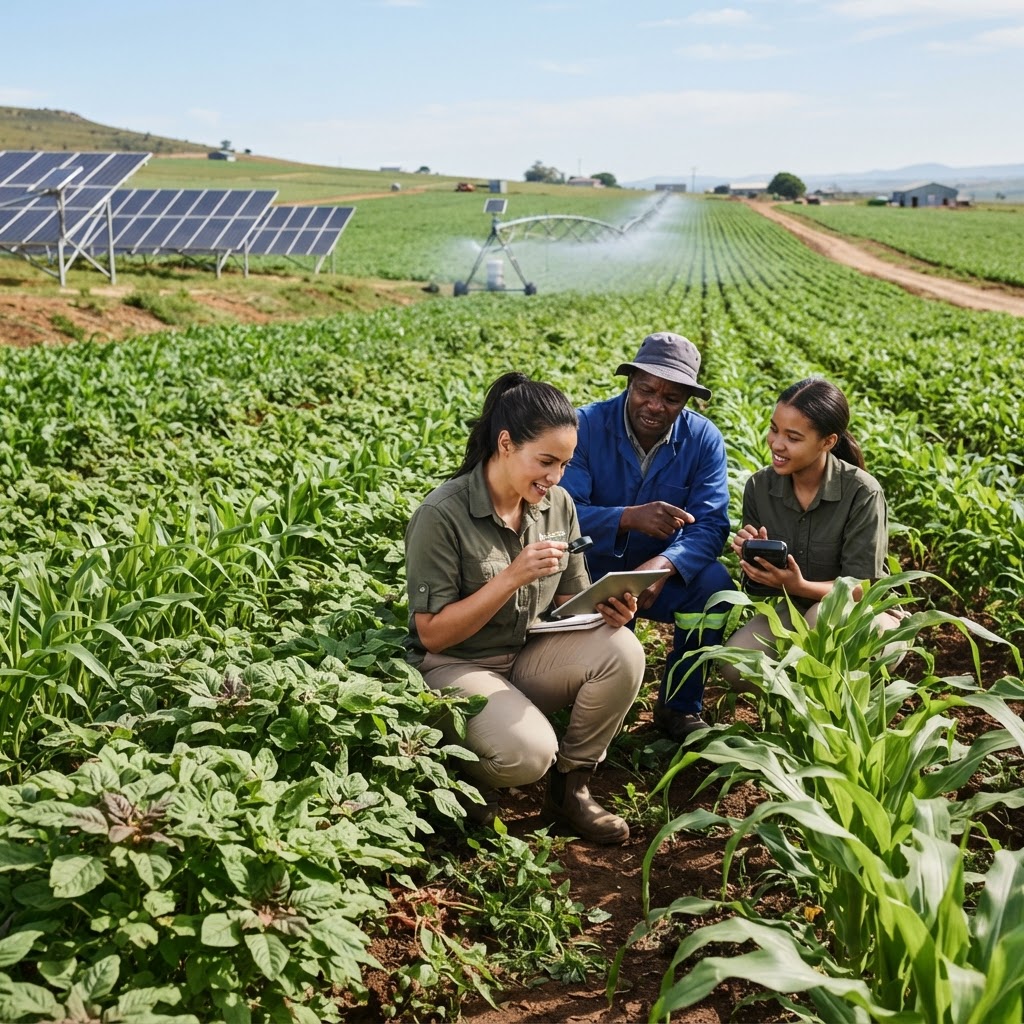
The African Union has formally launched the Comprehensive Africa Agriculture Development Programme (CAADP) Strategy and Action Plan 2026–2035 alongside the CAADP Kampala Declaration. The continental initiative, operating under Agenda 2063, aims to end hunger, curb poverty, and build climate-resilient agricultural systems through coordinated agricultural industrialisation.
As published in official releases by the African Union, African Union Commissioner for Agriculture, Rural Development, Blue Economy and Sustainable Environment H.E. Moses Vilakati highlighted that the framework provides a unified roadmap to build nature-positive farming systems, restore degraded ecosystems, and stimulate intra-African food trade. Member states currently divert up to 9 percent of their national budgets to cope with climate extremes, making agricultural modernisation an existential economic issue.
Speaking on the transition, South Africa’s Minister of Agriculture, John Steenhuisen, challenged political leaders across the continent to maintain investment commitments under the post-Malabo CAADP framework, underscoring the target of food self-sufficiency within a decade. The strategy leverages the African Continental Free Trade Area (AfCFTA) and the Programme for Infrastructure Development in Africa (PIDA) to reduce cross-border distribution bottlenecks.
Upstream Tech and Biosecurity Developments
The continental focus on agricultural transformation coincides with national scientific interventions across major food value chains. According to MSME Africa, the National Biotechnology Development Agency in Nigeria revealed that researchers have developed disease-resistant ginger varieties designed to protect smallholder yields and revive Nigeria's $730 million ginger industry. Prof. Abdullahi Mustapha noted that deploying resilient crop technologies and certified seed multiplication systems will safeguard farmer earnings against virulent pathogens.
Further regional funding programs are active to support these farm-level interventions. Monitoring reports from Opportunity Desk and the African Food Changemakers funding index track active initiatives like the MOVE-ComCashew project, which offers emerging cashew agripreneurs direct funding and processing equipment to commercialise local value addition.
Why it matters for MSMEs
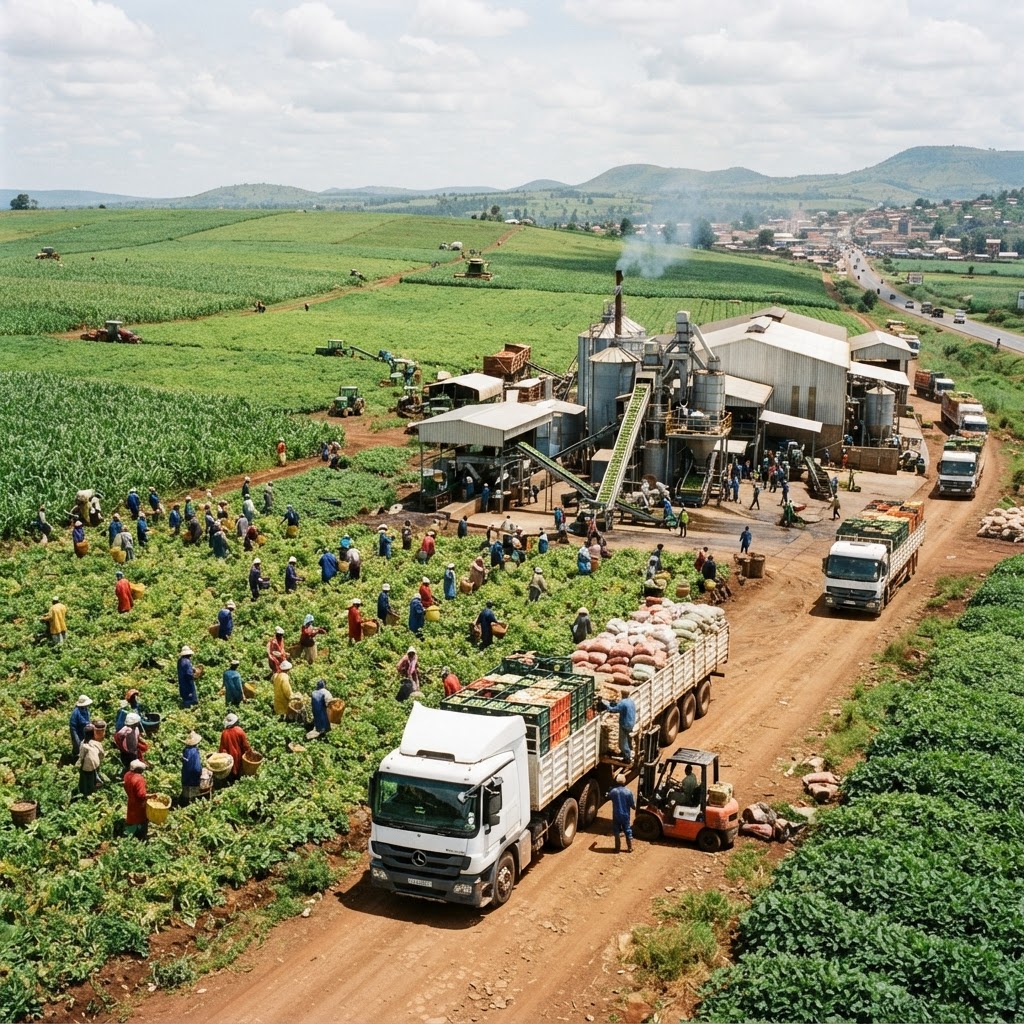
The CAADP 2026–2035 framework and the AfCFTA roll-out create unprecedented market opportunities for smallholder farmers, local processing mills, and agro-logistics MSMEs. By lowering cross-border regulatory friction, standardising biosecurity frameworks, and prioritising infrastructure development, small agribusinesses can expand beyond fragmented local markets into regional trade corridors. Access to disease-resistant seed varieties directly reduces harvest loss risks for commercial farmers.