A Continental Blueprint for Food Security
The African Union has formally launched the Comprehensive African Agricultural Development Programme (CAADP) Strategy and Action Plan 2026–2035, accompanied by the CAADP Kampala Declaration, according to official statements published by the African Union. The initiative operates under the continental Agenda 2063 development framework, targeting hunger eradication, poverty reduction, and resilient economic growth driven by modern agricultural development.
African Union Commissioner for Agriculture, Rural Development, Blue Economy and Sustainable Environment (ARBE) underscored that the strategic policy framework provides an operational springboard for nature-positive farming systems, ecosystem restoration, and agricultural productivity. Currently, Africa is home to nine of the world’s ten countries most exposed to extreme climate shifts, with member states channeling up to 9 percent of their national annual budgets simply to manage climatic shocks. South Africa’s Minister of Agriculture, John Steenhuisen, urged African leaders to maintain structural commitments to ensure the continent achieves sustainable food self-sufficiency within the decade.
Leveraging Trade and Modern Farm Technology
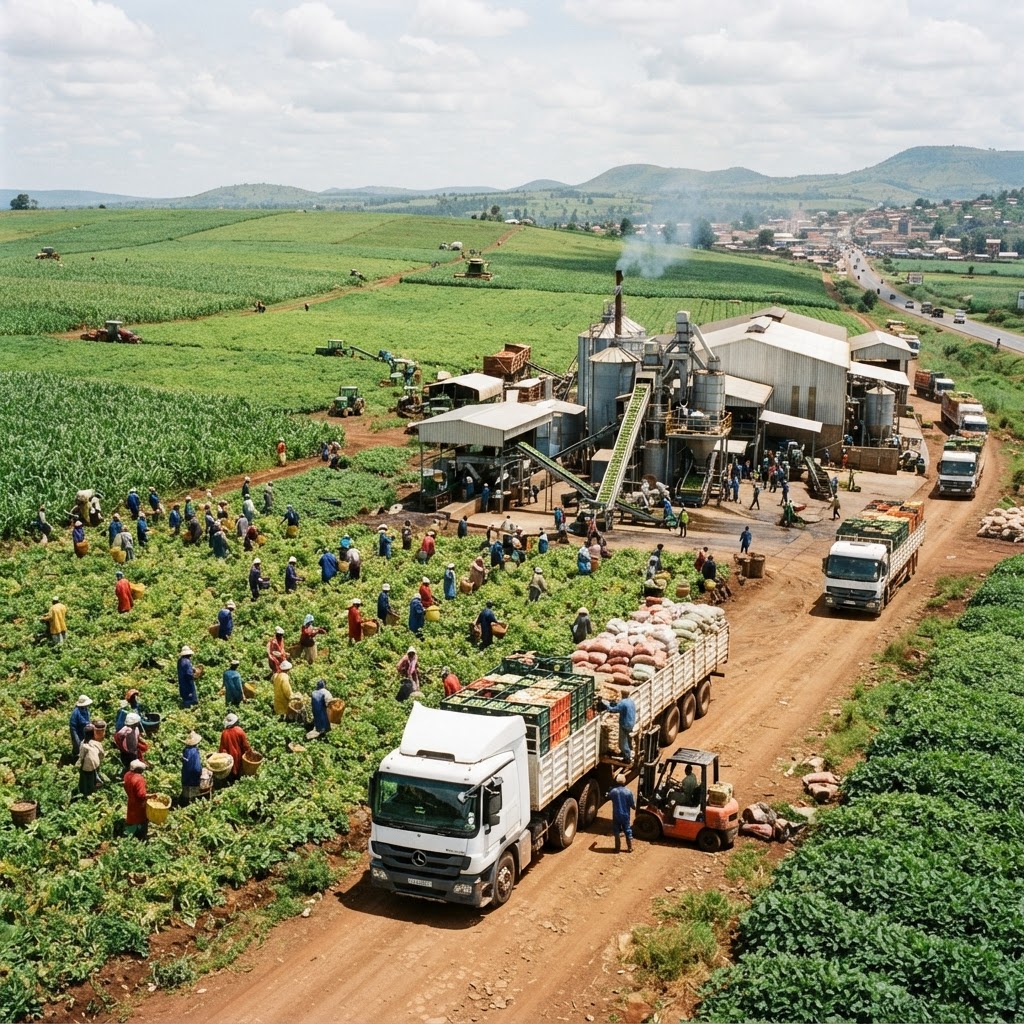
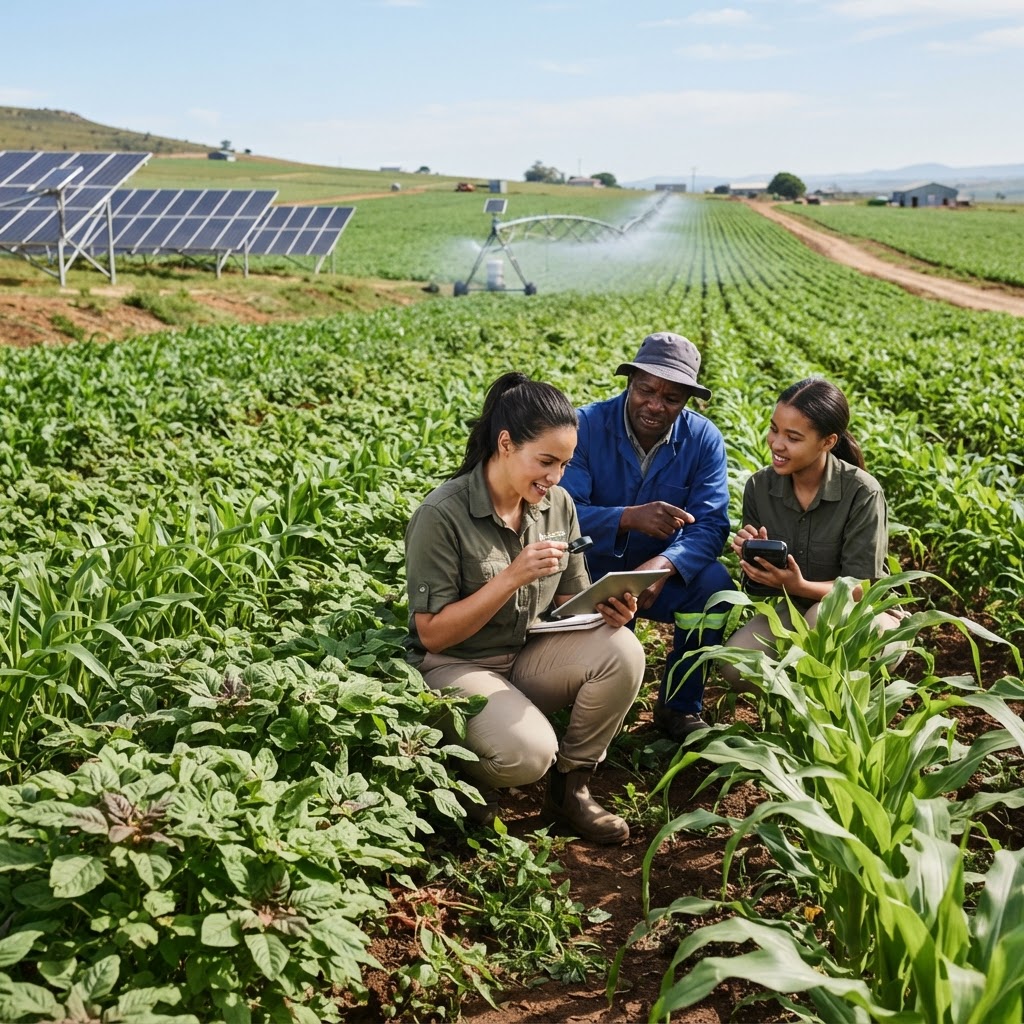
A pivotal component of the ten-year strategy is eliminating barriers that impede the adoption of agricultural technology. Farm systems must incorporate responsive innovations that tackle emerging pests, plant diseases, and adverse weather conditions while expanding access to structured markets. Continental leaders underscored the acceleration of the African Continental Free Trade Area (AfCFTA) as an engine to stimulate intra-African food trade and support catalytic infrastructure investments through the Programme for Infrastructure Development in Africa (PIDA).
Complementing these macro policy frameworks, targeted financing is emerging across the private sector to bridge technological gaps. As documented by MSME Africa, regional agricultural businesses are exploring agritech solutions to minimize input losses and enhance distribution channels across major domestic and cross-border corridors.
Why it matters for MSMEs
For agricultural MSMEs, smallholders, and rural agribusiness processors, the post-Malabo CAADP framework directly influences how member states direct procurement spending, extension services, and infrastructure funds. Small enterprises operating in food storage, logistics, processing, and commodity marketing stand to benefit from reduced regional trade barriers under AfCFTA corridors, while open access to certified seed varieties, disease-management technologies, and intra-regional export markets can improve farm yields and commercial profitability.